ecosystems in the Anthropocene


Safe Water for humans and ecosystems in the Anthropocene
The 21st century calls for a renewed definition of safe water that incorporates the microbial world within all One Health dimensions (human, animal and environmental health). Climate change-driven droughts and floods, biodiversity loss, emerging pollutants, and increasing population pressures are intensifying threats to water resources worldwide. Protecting water at its source is increasingly recognized as the most effective and equitable strategy to ensure clean water access, particularly in settings where remediation is limited by technical and financial constraints.
Water bodies are dynamic ecosystems in which microbial communities play a central role in water quality and in the health of humans, animals, and the environment. In this context, contaminated water may facilitate the spread of antimicrobial resistance, zoonotic pathogens, and the degradation of ecosystem services—highlighting the relevance of the One Health approach. By addressing water safety through this lens, we can better anticipate and mitigate risks that transcend species and ecosystems, ensuring holistic and sustainable solutions.
WaterMicro27 is also grounded in the One Water concept, which integrates all freshwater uses (drinking, recreation, reuse, agriculture, industry and maintenance of ecological balance) within a unified water cycle. Together, One Health and One Water reinforce the importance of microbial criteria for determining whether water is fit for purpose and for protecting biodiversity in the Anthropocene.
At WaterMicro27, we aim to foster dialogue on how scientific methodologies, interdisciplinary research, and community-based initiatives can strengthen strategies for water protection, surveillance, and risk reduction. We will also explore how advances in data analytics and technology can support cost-effective monitoring systems and early-warning tools to safeguard water safety and security for current and future generations.
We invite you to be part of WaterMicro27 in Costa Rica from May 30 to June 3, 2027, at the Costa Rica Convention Center.
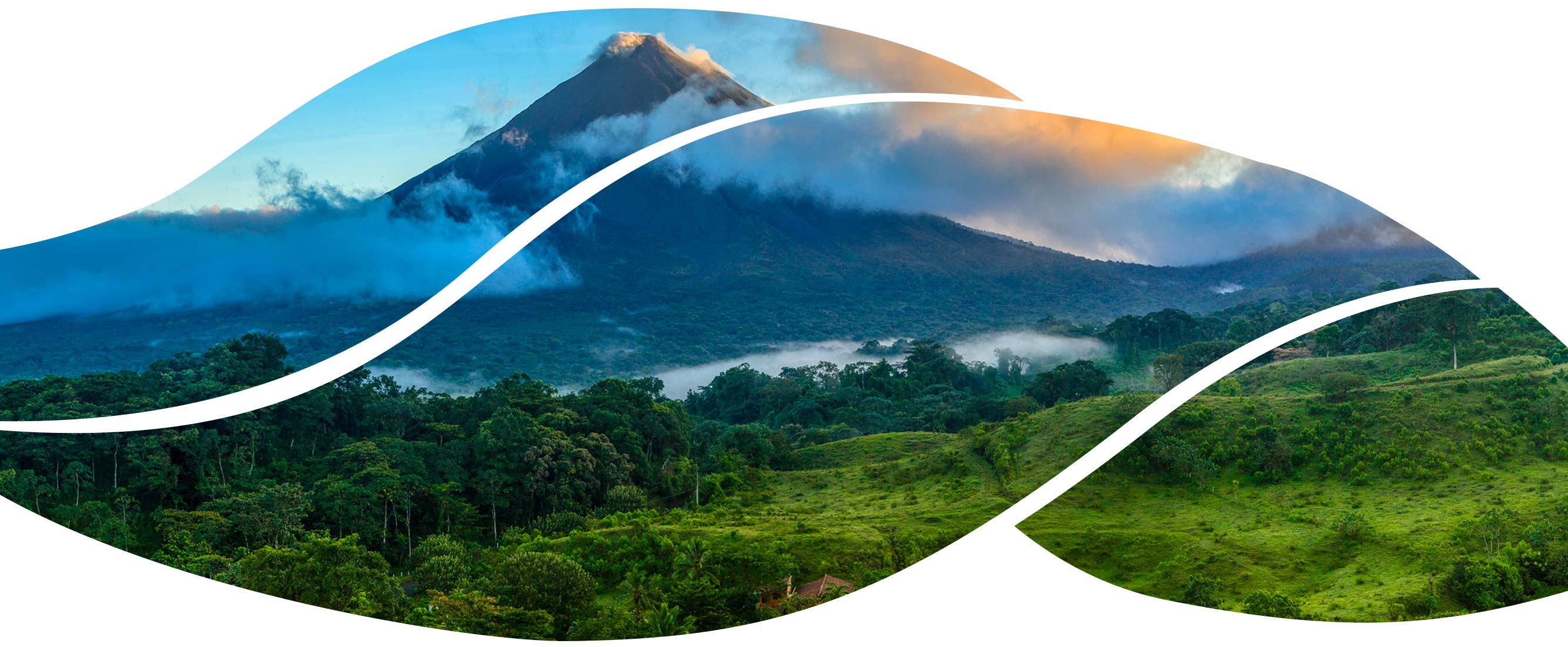
We look forward to seeing you in the country of Pura Vida, home to one of the highest levels of biodiversity on the planet and a strong commitment to protecting ecosystems and water!
The academic team is composed of researchers and professionals with extensive experience in water resources, aquatic ecosystems, and socio-environmental outreach. They actively engage in scientific research, public outreach, and policy-making through national committees on water governance and public policy. They also have a strong track record in organizing technical and scientific events at national and international levels.
A brief overview of the organizing committee's expertise includes:
Universidad de Costa Rica
Expert in water microbiology and antimicrobial resistance, with a strong background in wastewater surveillance; she has led major scientific events and participates in national water quality monitoring initiatives.
Universidad de Costa Rica
Specialist in food and waterborne pathogens, with over 30 years of experience in microbiology and leadership in academic research and policy development at the University of Costa Rica.
Universidad de Costa Rica
Environmental engineer focused on water treatment technologies and sustainability, with extensive experience organizing national and regional events on water governance and sanitation.
Universidad Nacional
Researcher in microbial ecology and ecotoxicology in aquatic environments, actively involved in scientific committees and international studies on urban water pollution and microplastics.
Universidad Nacional
Specialist in One Health and conservation medicine, with research on antimicrobial resistance in natural ecosystems and broad teaching and coordination roles in veterinary and environmental health.
Instituto Tecnológico de Costa Rica
Sanitary engineer with expertise in microbial communities and wastewater treatment technologies, contributing to national environmental policy and interdisciplinary research on AMR genes in wastewater.
Microbiologist and expert in water quality and microbial risk assessment, with extensive experience in wastewater and recreational water monitoring. He currently leads the Division of Water, Environment, and Health Research at Costa Rica's National Water Laboratory.
A public health microbiologist and water expert specializing in applied research projects related to policy, management, and development in the fields of water, sanitation, and public health. She currently works with international nonprofit organizations in the WASH sector, promoting global partnerships and programs.
He is a postdoctoral researcher at the University of North Carolina Water Institute, where his work combines engineering and microbiology to study the dynamics and transport of human pathogens in natural and constructed water systems.
Is an environmental epidemiologist and researcher at the University of Costa Rica whose work focuses on environmental health, water quality, quantitative microbial risk assessment, and infectious disease surveillance in tropical settings. His research integrates epidemiology and environmental microbiology to study drinking-water safety, wastewater systems, enteric pathogens, antimicrobial resistance, and climate–health interactions in aquatic environments.
PhD candidate at Wageningen University and a Research Scientist at Normec GAC projecten in the Netherlands, working on environmental microbiology, water quality, hydrological modelling, QMRA, and crop health.
University of Costa Rica. A microbiologist focused on water and foodborne microbiology. A young researcher with experience in the identification and quantification of microbial pathogens and indicator organisms in water samples.
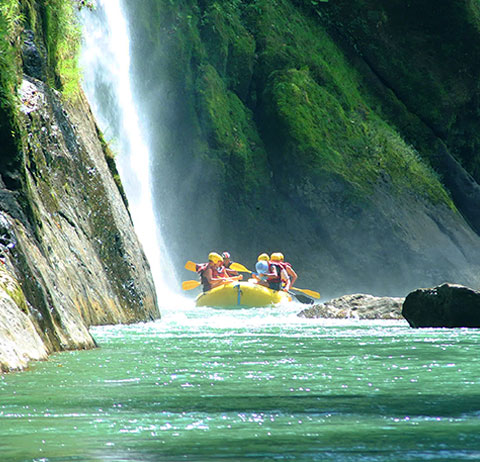
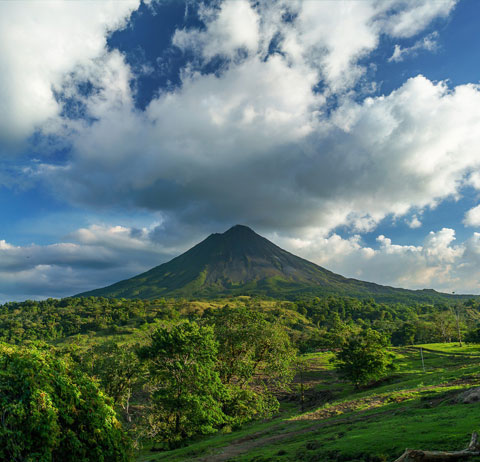
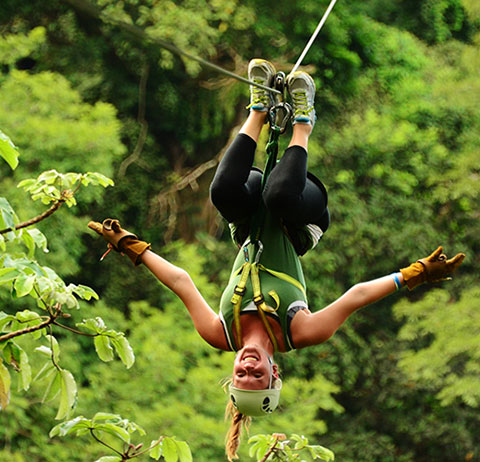
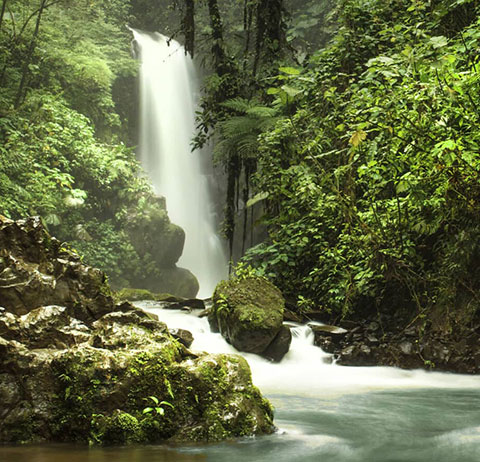
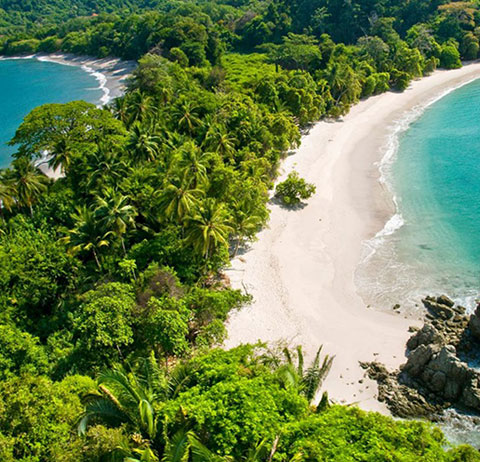
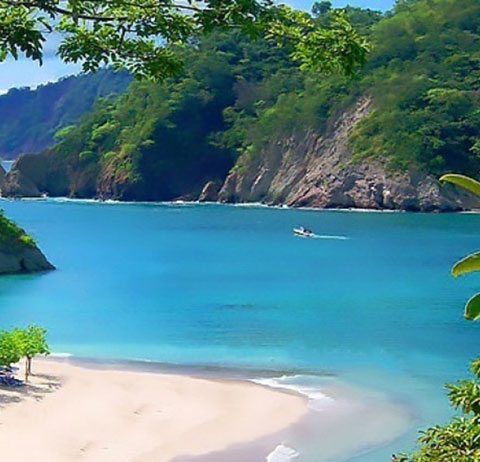
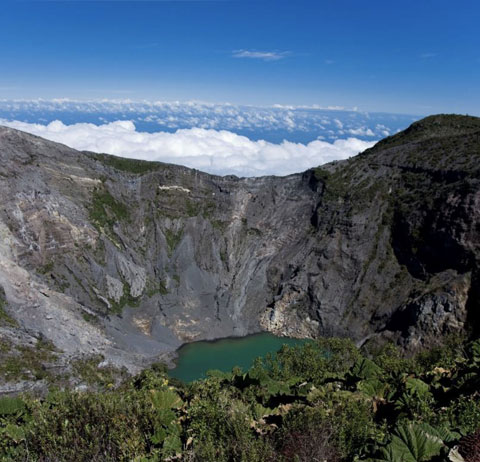
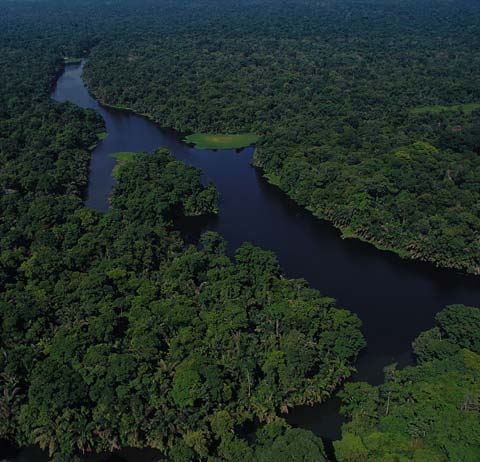
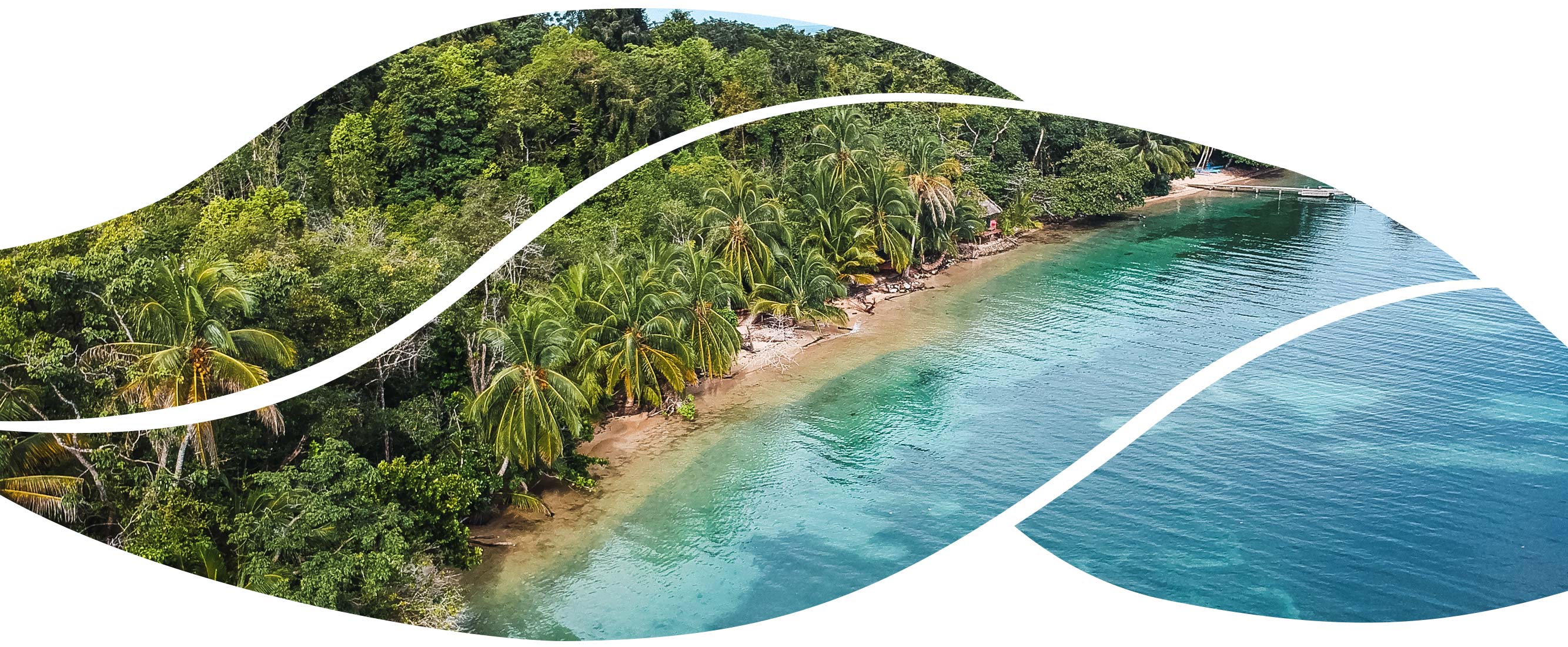
A tropical paradise
The variety of landscapes and microclimates that can be enjoyed in a single day make this country a paradise destination.
00
Days
00
Hours
00
Minutes
00
Seconds
TOURS